
How do we prepare people to use new technologies with confidence? What kind of workforce do we need to carry the sector forward? And how do we turn activity into momentum?
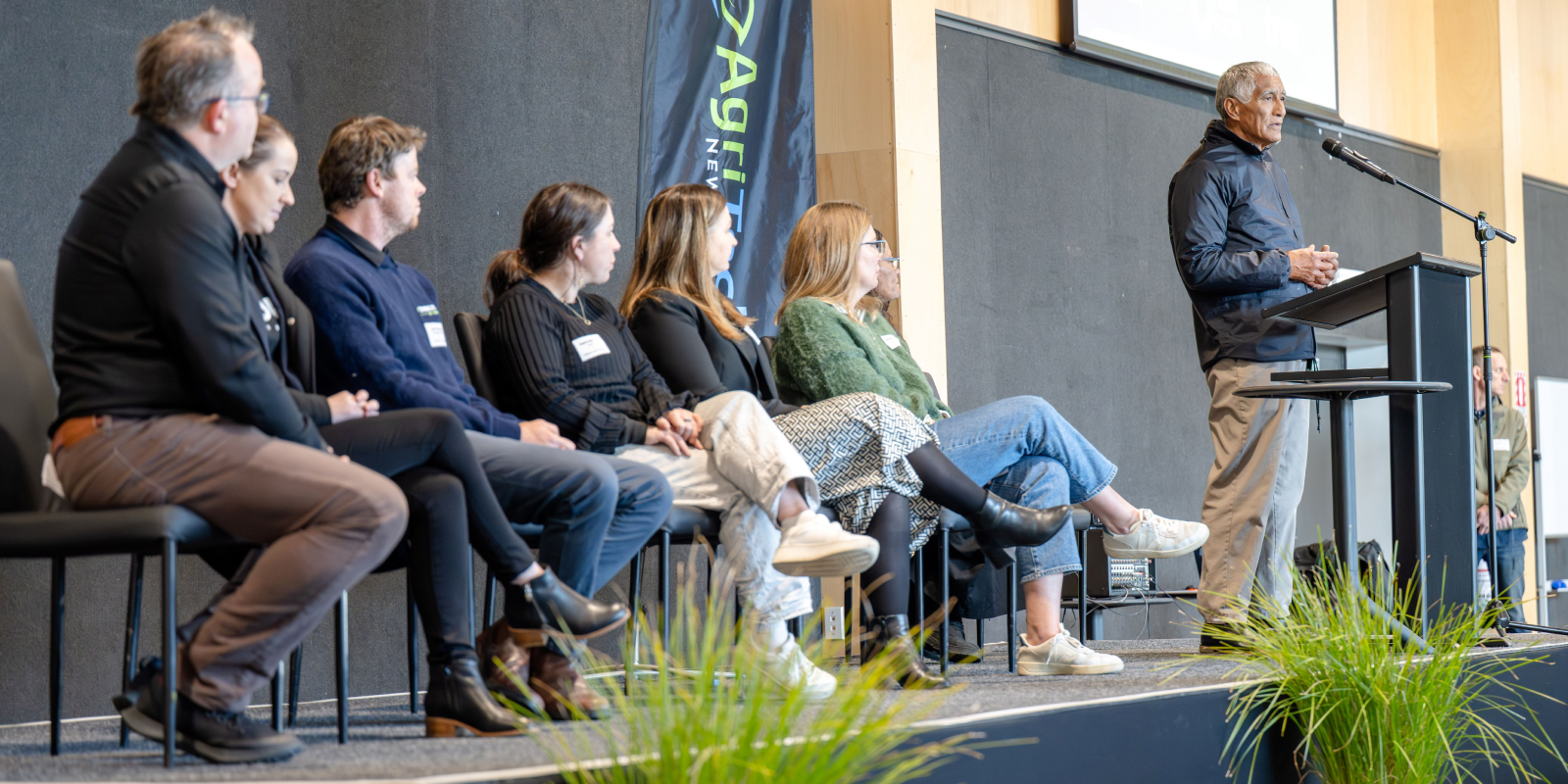
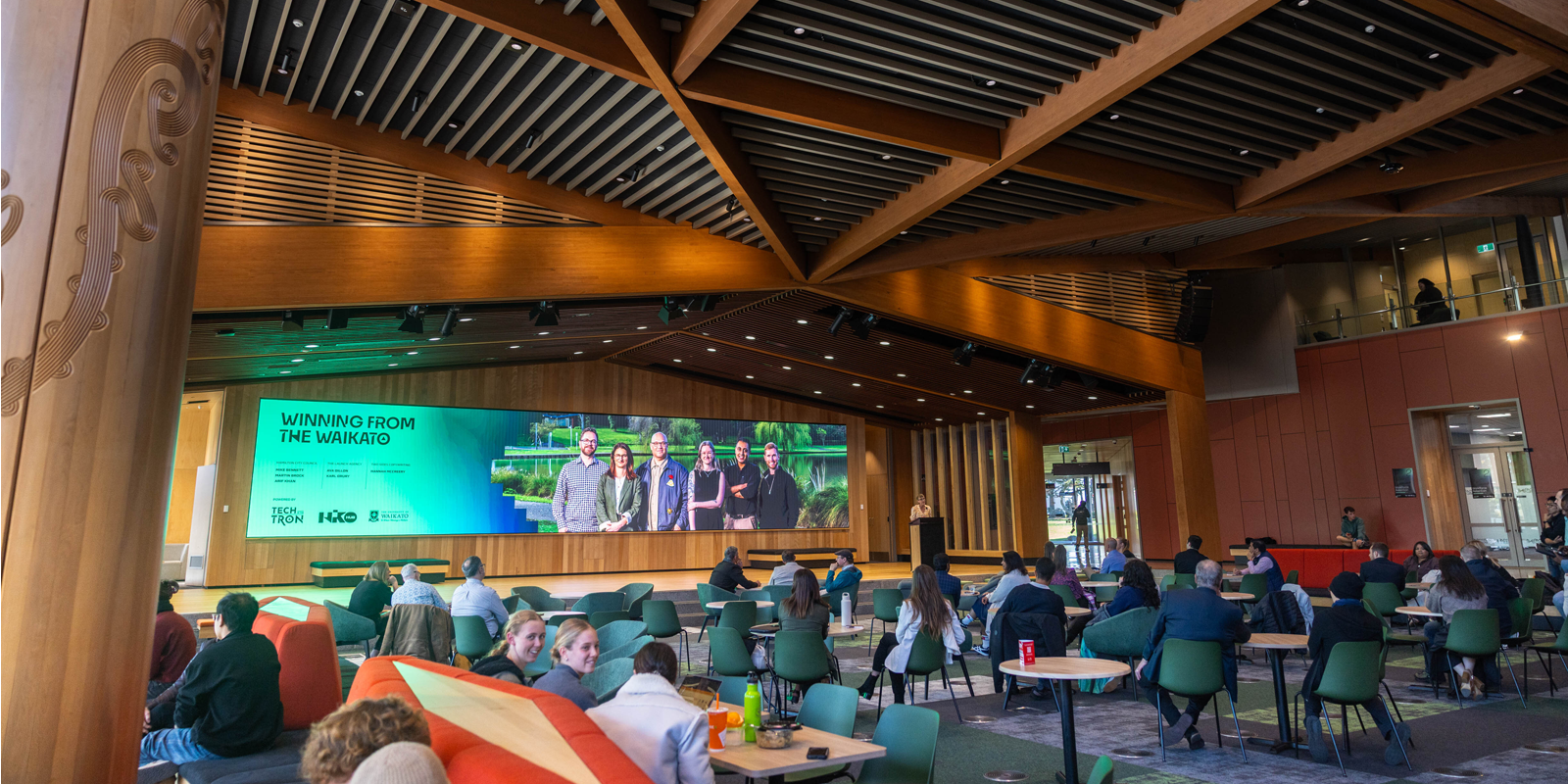
Held at Te Āhurutanga on the University of Waikato’s Hamilton campus as part of New Zealand’s Techweek26, familiar faces from across the region’s industry filled the room to take stock of its progress and next phase of growth.
Co-hosted by Tech in the Tron, HIKO Hub and the University of Waikato, the event brought together founders, industry leaders, educators, students, researchers and community builders for a morning of insights, networking and practical kōrero.
Topics included AI, health innovation, cybersecurity, Māori representation and the workforce development needed to support the sector’s rapid growth.
The tone was confident but far from complacent. And while there was a clear sense of pride in how far the region’s tech industry has come, there were tough questions about what’s next.
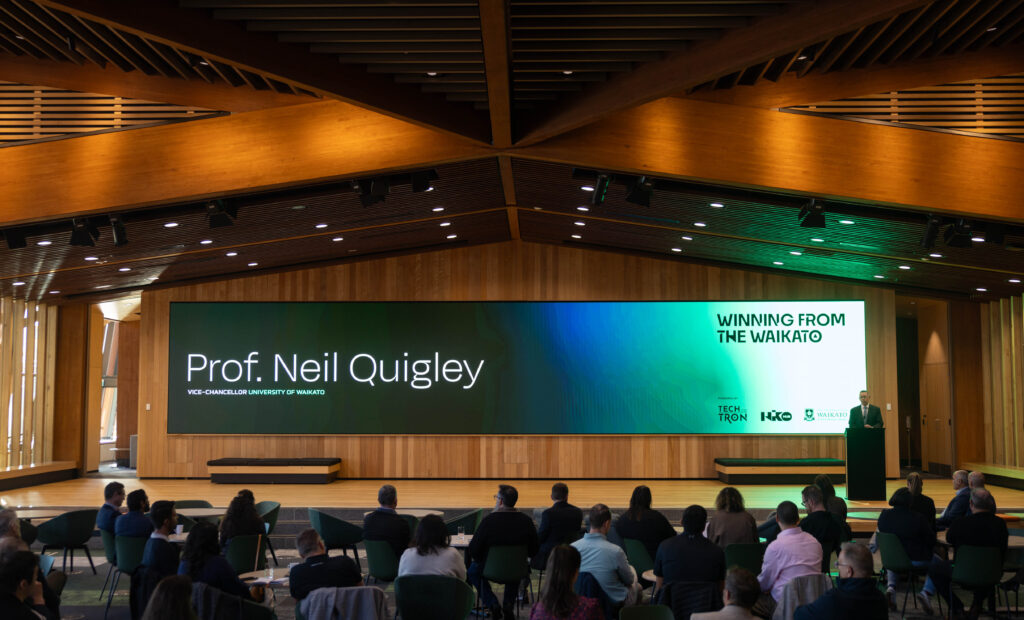
Professor Neil Quigley, Vice Chancellor of the University of Waikato
A sector asking hard questions
Beneath the day’s kōrero sat an underlying question: what does responsible growth look like for the Waikato tech industry?
For Spark Health’s John Macaskill-Smith, it meant asking whether Waikato can move faster on digital health.
John Macaskill-Smith from Spark Health
“In Kirikiriroa, we have one of the largest hospitals in the Southern Hemisphere and it continues to grow… Health is one of the region’s largest contributors to GDP. It’s also one of the largest employers by number of staff,” he says.
“Alongside this, on every side of this region, we have some of the country’s most geographically isolated communities who have unique health service needs.”
John believes this presents Waikato’s tech industry with a real opportunity to step in and make change.
“We have the tools… we’ve got the talent and we definitely have the need…what we have isn’t an innovation problem, it’s a courage and ambition problem.
“We can’t outsource our ambition to some national system, we need to grab this and own it and make it ours.”
Inclusion as a growth strategy
Momentum, however, as emphasised by several speakers throughout the morning, also depends on who’s given a role in shaping the sector’s future.
Lee Timutimu of Te Hapori Matihiko put that challenge directly to the room, asking what it means for the future of tech when Māori currently make up just 4.8% of the sector.
“Bringing Māori into tech is not an act of charity. It’s not a diversity checkbox. It’s a strategic advantage,” he says.
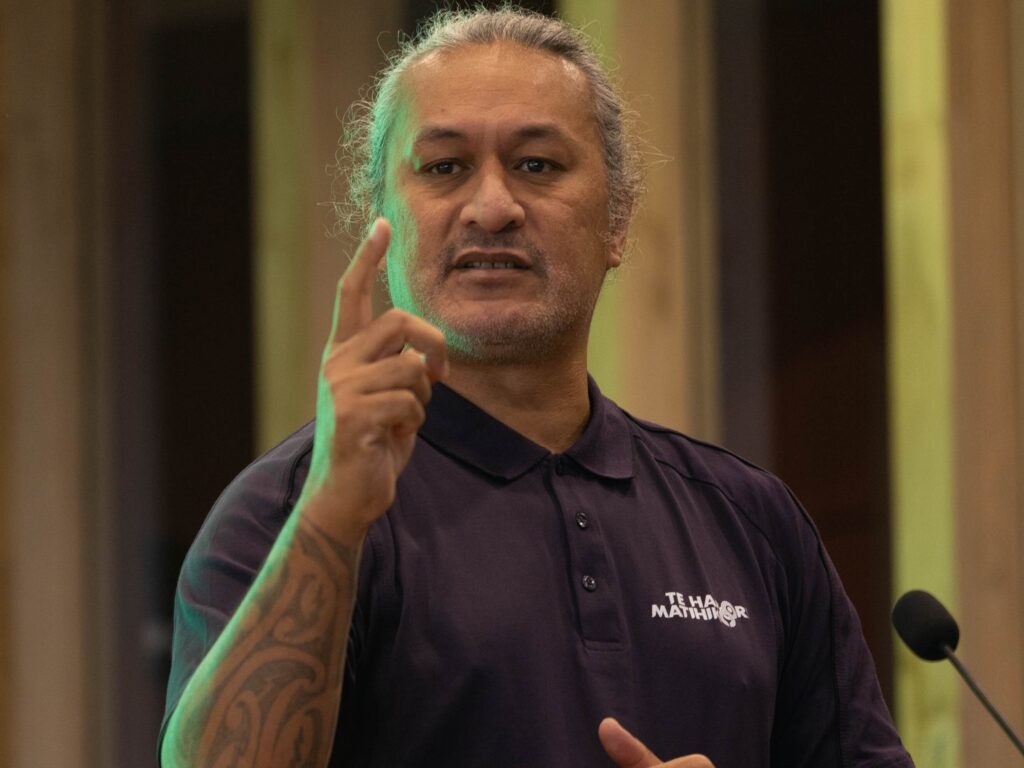
Lee Timutimu of Te Hapori Matihiko
“We bring worldviews grounded in whakapapa, whanaungatanga and kaitiakitanga, connection, stewardship and intergenerational thinking. These are exactly the values that ethical, human-centred technology needs more of.
“Organisations that create space for Māori to lead and contribute will build better products, serve broader communities and be better positioned for the future than those organisations that do not.”
The Waikato advantage
The workforce conversation also reinforced one of the region’s clearest advantages: Waikato offers more than lifestyle appeal.
A shared view emerged that while the quality-of-life story is strong, the region offers a compelling mix – a connected and collaborative tech industry, strong leadership, growing AI capability, room to grow professionally and the best parts of Kiwi life, all within reach.
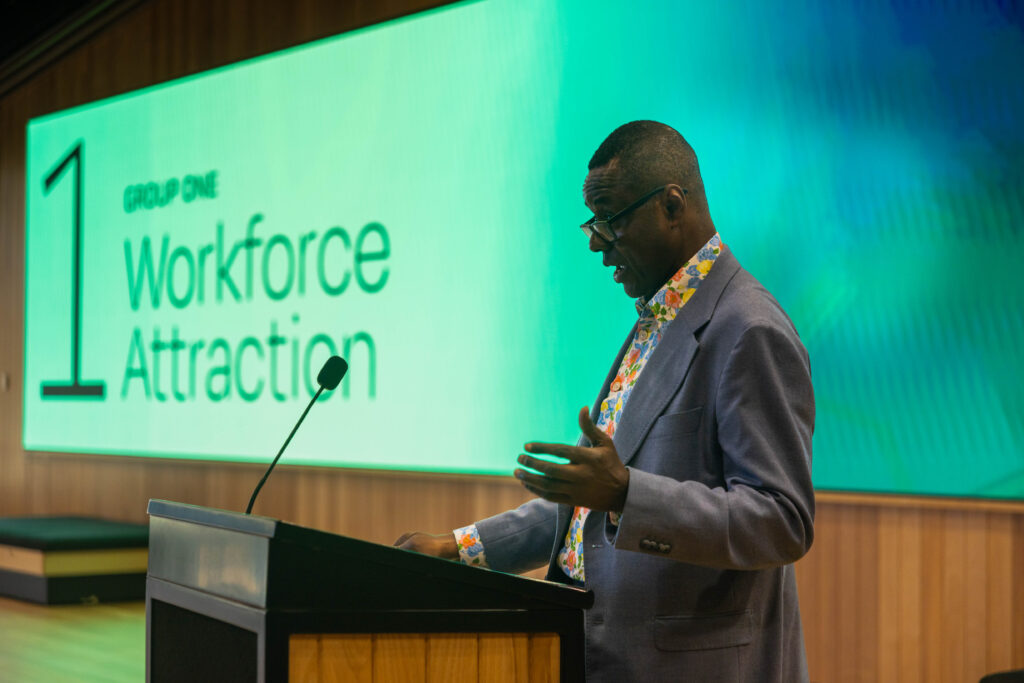
Brian Bernard from Absolute IT
According to Brian Bernard from local IT recruitment agency, Absolute IT, the challenge is addressing the misconception that career security and progression are limited.
“That’s far from the truth,” he says.
“Waikato is emotionally appealing…the challenge is proving that moving here doesn’t mean stepping backwards in your career. Because that’s the core friction point in almost every single hiring conversation.”

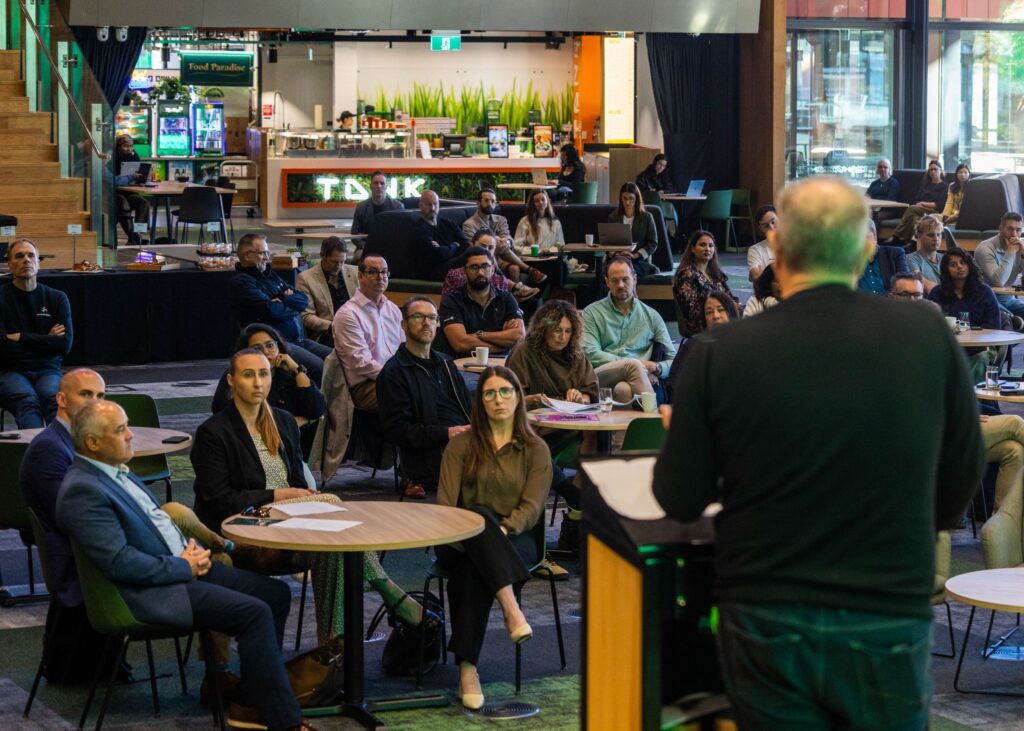
Networking time at Winning from the Waikato
A region ready to build
By the end of the morning, the sentiment was clear. Waikato has the ingredients to lead New Zealand’s next phase of tech growth, not just participate in it.
But if the tech sector wants to keep winning from the Waikato, it’ll need more than good ideas. It’ll need the courage to test them, the discipline to govern them and the culture to help people use them well.
It will need to grow talent locally while attracting people who see Waikato as a place to build a meaningful career and life.
Above all, it will require Waikato to keep building on what it does best – connecting people, sharing knowledge and turning relationships into action.
If last year’s call was for Waikato to tell its story louder, this year’s challenge was to shape that story more deliberately.
Words by Hannah McCreery.
Visuals by Karl Drury: The Launch Agency.